
Property tax
An ad valorem tax on property value levied by local jurisdictions.

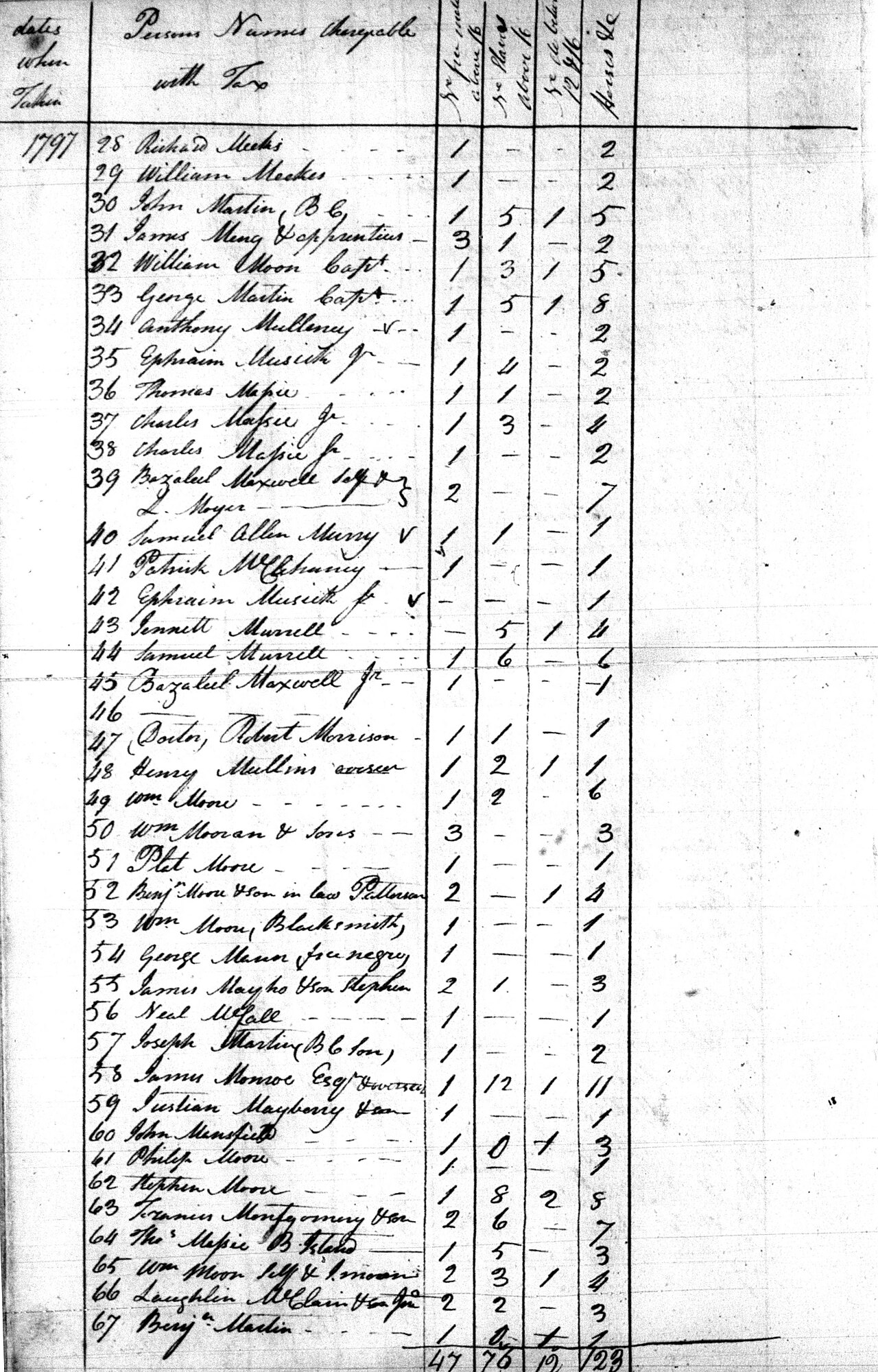
Albemarle County Property Taxes of 1797 · Public domain
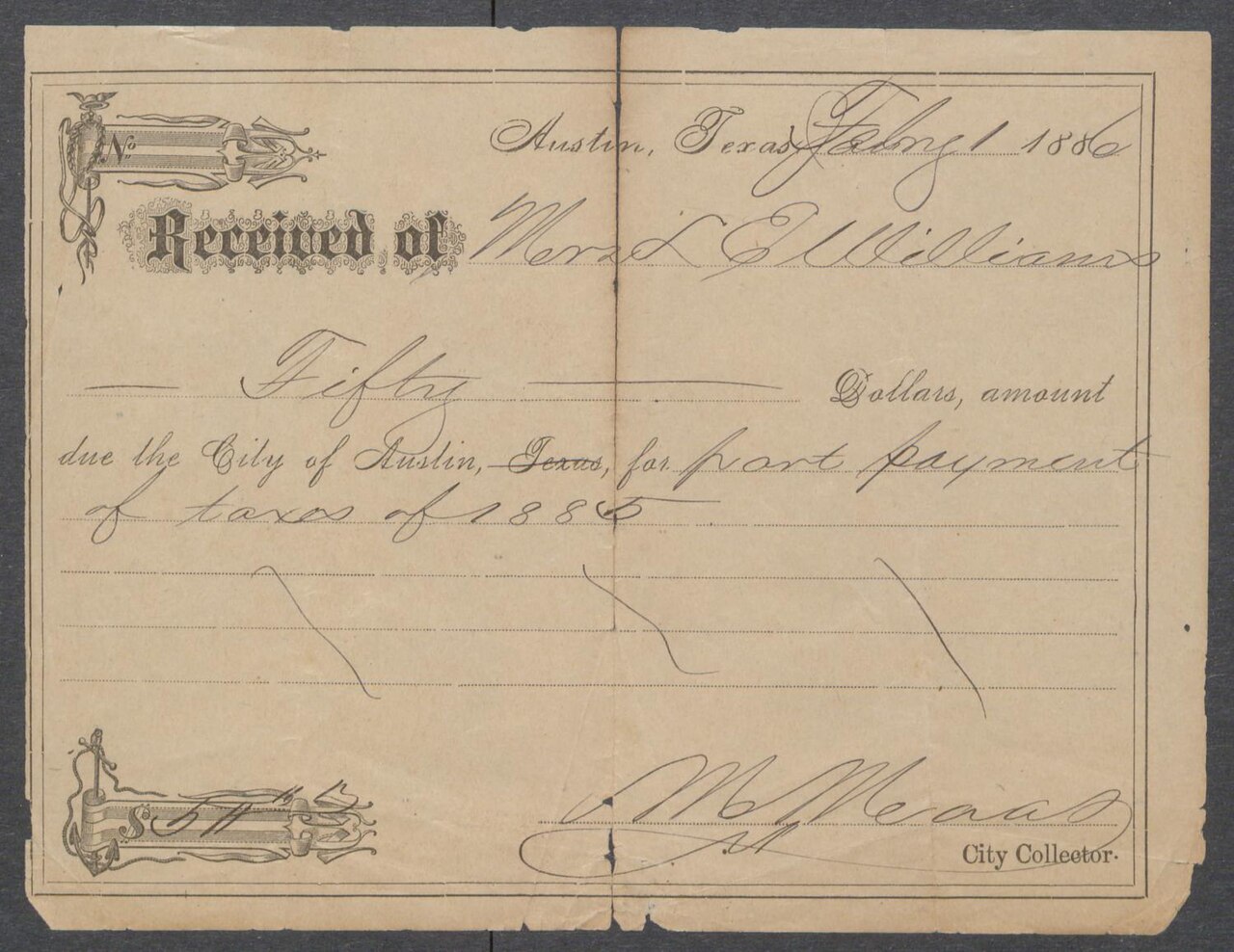
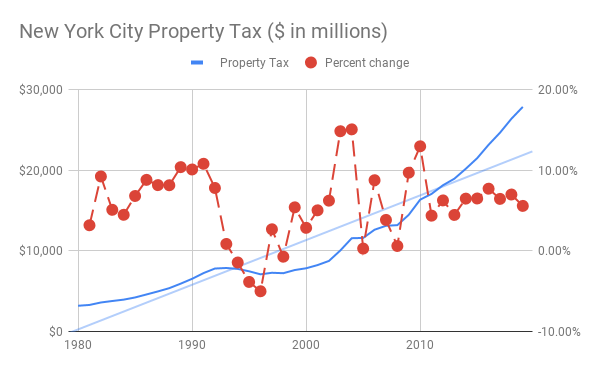
A property tax is an ad valorem tax on the value of a property, levied by the governing authority of the jurisdiction where the property is located. It is typically imposed on real estate, either annually or at the time of a transaction, and is assessed in proportion to the property's appraised monetary value.
- type
- Ad valorem tax
- common_rate_expression
- Percentage or per mille (millage)
- taxed_property_types
- Land, improvements, personal property, intangible property
- jurisdictions
- National, federated state, county, municipality
- key_example_country
- Armenia (0.2% property tax to GDP ratio vs 2% global average)
Lore & Background
Property tax systems vary widely. Australia taxes property at state and council levels, including stamp duty on purchase and annual land tax, with exemptions for primary residences. Brazil levies federal, state, and municipal taxes on rural, urban, and motor vehicle property, though a tax on large fortunes remains unregulated.
Reader's Guide
Property tax is a fundamental revenue source for many governments, particularly municipalities. Its significance lies in its stability and direct link to local services, such as education and infrastructure. The article shows that rates and structures differ greatly: some jurisdictions use progressive brackets (Armenia), others exempt primary homes (Australia), and some have multiple taxing entities (Brazil, Canada). The tax can be applied annually or at transfer, and its calculation often involves mill rates or percentages of assessed value. Understanding property tax is crucial for property owners and policymakers, as it affects housing affordability, investment, and urban development. The article notes that France successfully reduced vacancy rates with a tax on vacant properties, illustrating the tax's potential as a policy tool.
Did You Know?
- Property tax rates can be expressed as millage, where one mill equals one-thousandth of a currency unit.
- In Israel, property tax rates are double for vacant apartments compared to occupied ones.
- A special assessment tax is distinct from property tax, relying on a 'benefit' rather than market value.
The Legal Identity of Business vs. Company
At its core, business refers to the act of earning a livelihood by producing, buying, or selling goods and services, or more broadly, any enterprise pursued for profit. However, the legal and public-office world draws a sharp line between the word "business" and the word "company," which typically denotes a corporation or cooperative. In everyday conversation, people swap these terms freely, but in statutory language the distinction carries real consequences. A business entity is not automatically a separate legal person from the individual who runs it. This means that, unless the structure is a limited liability company, creditors can reach the owner's personal assets to satisfy debts the business has accumulated. The proprietor's wealth and the enterprise's obligations are, in many arrangements, legally inseparable. This foundational distinction shapes everything from how taxes are assessed to how much personal risk an entrepreneur assumes the moment they open for business.
Taxation and the Weight of Personal Liability
One of the most practical differences between a business and a corporation lies in how income is taxed. A business structure does not qualify for the preferential corporate tax rates that apply to companies. Instead, the individual proprietor is personally taxed on every dollar of income the enterprise generates, with no separate corporate layer to absorb or redistribute that revenue. This taxation reality is tightly linked to the liability framework. In a sole proprietorship, the owner carries unlimited liability for every obligation the business incurs, whether those obligations stem from routine operating costs or from a court judgment. In most partnership arrangements, each partner faces the same open-ended exposure. Limited liability companies and certain corporate forms break this pattern by creating a separate legal entity that shields the owner's personal assets from business failure. The trade-off is clear: greater protection comes with greater structural complexity and, in the corporate case, mandatory periodic financial reporting to national or state securities commissions.
The Corporation as a Separate Legal Person
A corporation occupies a unique position in the business landscape because it is a legal entity entirely distinct from the individuals who own it. This separation grants shareholders limited liability, meaning their financial exposure is capped at what they invested. In return, the corporation itself becomes subject to corporate tax rates, a regime that sole proprietors and partnerships cannot access. Setting up a corporation is notably more complicated and costly than launching a sole proprietorship or partnership. Owners must elect a board of directors to steer the enterprise and hire managerial staff, and they are obligated to file quarterly or annual financial reports with the relevant national or state securities commission or company register. Corporations can be government-owned or privately held, and they may operate for profit or as nonprofit organizations. A privately owned for-profit corporation can be held by a small group of individuals or can be publicly traded on a stock exchange, giving it access to far broader capital markets.
The Spectrum of Ownership: From Sole Traders to Franchises
Beyond the basic sole proprietorship and partnership, the business world offers a rich menu of ownership structures. A cooperative, or co-op, replaces shareholders with members who share decision-making authority, and it can operate for profit or not-for-profit; it is often described as central to the ideology of economic democracy. A franchise allows an entrepreneur to purchase the rights to open and run a business under a larger corporation's brand, and in the United States one out of every twelve retail businesses operates under this model, employing roughly eight million people. Companies limited by guarantee are typically formed for non-commercial purposes such as clubs or charities, where members guarantee only nominal amounts in the event of insolvency. Companies limited by shares, the most common form in England and many English-speaking countries, cap each shareholder's liability at their individual investment. At the opposite extreme, an unlimited company offers no such cap, and the protective veil of incorporation simply does not apply to its members.
Gallery

Frequently Asked Questions
What is a property tax?
A property tax is a value-based charge imposed on the assessed worth of a property, collected by the governing authority of the jurisdiction where that property is located. It is most often applied to real estate and billed either on an annual cycle or at the moment of a transaction.
What kinds of property can be subject to property tax?
The taxable base is not limited to land and buildings; it can extend to movable personal assets and even intangible holdings, depending on what the relevant jurisdiction chooses to include. The exact categories shift from one level of government to another.
At what level of government is property tax collected?
Multiple tiers of government—national, federated state, county, and municipal—may each impose their own property tax on the same asset. The taxing authority always resides in the jurisdiction where the property is physically situated.
How does property tax revenue compare across countries?
Worldwide, property tax generally accounts for roughly 2% of a nation's GDP, though some countries collect far less. Armenia, for instance, gathers only about 0.2% of GDP from this source, highlighting how widely scope and rate differ internationally.
More in Economics And Business 1-17
Spotted an error? Know more?
This is a living reference — every entry is fact-audited, and reader corrections feed straight into our audit queue. Suggest an edit · See this site's audit record