
Pension
A retirement income scheme funded during working life.

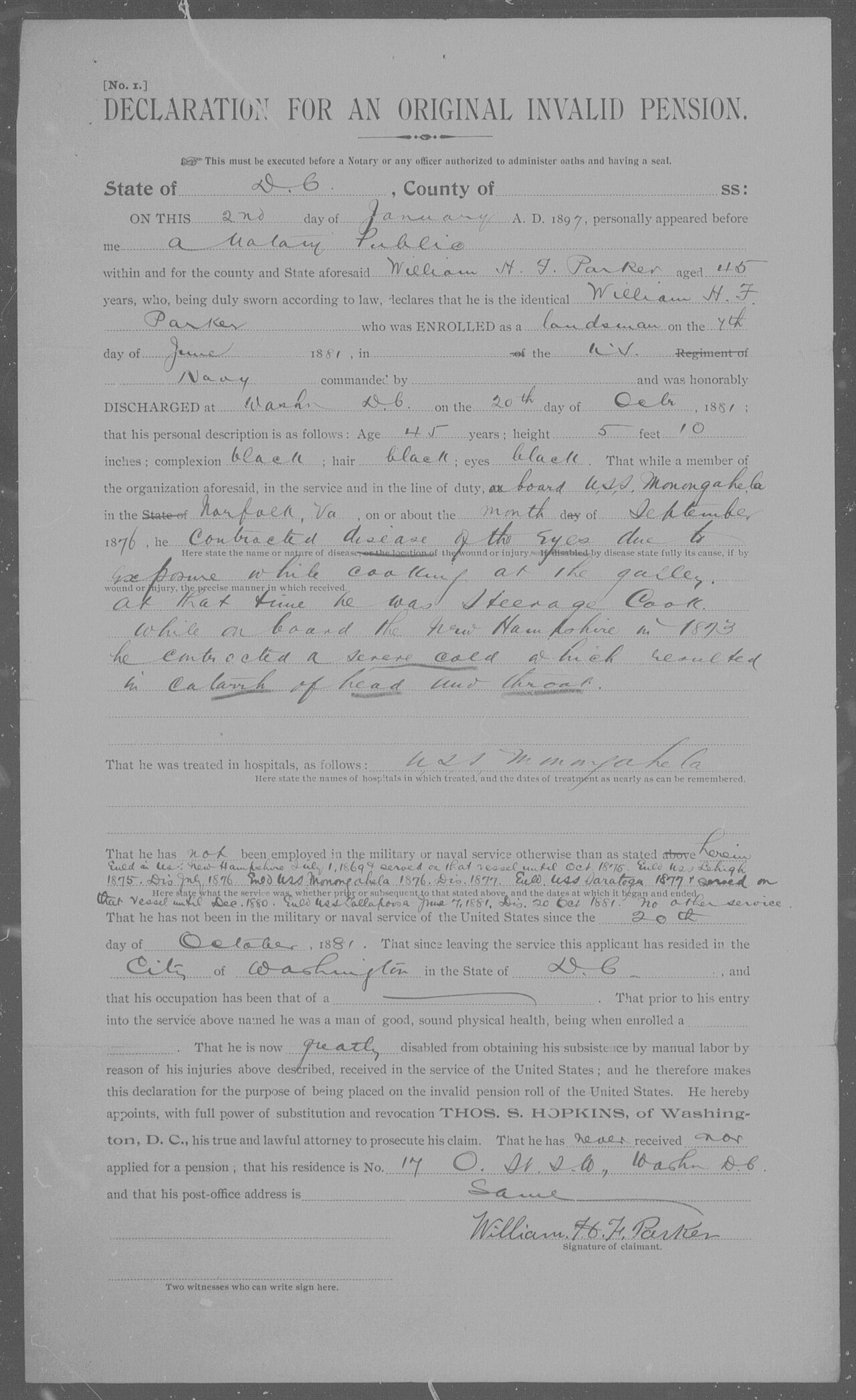
Department of the Interior. Bureau of Pensions. 1849-1930 · Public domain
A pension is a fund or pay-as-you-go scheme into which amounts are paid regularly during an individual's working career, and from which periodic payments are made to support the person's retirement from work. Pensions may be defined benefit plans, where defined periodic payments are made in retirement, or defined contribution plans, where defined amounts are paid in during working life and retirement payments depend on the fund. Pensions are distinct from severance pay, which is typically a fixed amount paid after involuntary termination before retirement.
- field
- Retirement finance
- known_for
- Providing retirement income through occupational, state, social, and disability pension plans
Lore & Background
Pensions are created by employers, insurance companies, governments, labor unions, employer associations, or trade unions. Occupational pensions are a form of deferred compensation, often advantageous for tax reasons. Many pensions include an insurance aspect, paying benefits to survivors or disabled beneficiaries. Individuals without employer-sponsored pensions sometimes use annuities to create a similar income stream. Department of Veterans Affairs), state pensions (contribution-based benefits like National Insurance in the UK or Social Security in the US), social pensions (means-tested or universal, such as New Zealand Superannuation), and disability pensions. Defined benefit plans determine retirement benefits by a formula based on tenure and earnings, while defined contribution plans rely on individual accounts.
Reader's Guide
Pensions are significant because they provide financial security for individuals after retirement, when they are no longer earning steady income from employment. They represent a major component of social welfare systems and labor compensation worldwide. The distinction between defined benefit and defined contribution plans shapes retirement outcomes: defined benefit plans guarantee a set payment, while defined contribution plans shift investment risk to the individual. Government pensions, such as Social Security in the US and National Insurance in the UK, form a safety net for citizens. Social pensions aim to prevent economic deprivation in old age, with over 80 countries offering such programs. The legacy of pensions includes ongoing debates about funding sustainability, inflation protection, and the shift from employer-funded defined benefit plans to individual-funded defined contribution plans. Pensions also affect labor markets, as early retirement provisions can encourage older workers to leave the workforce. The terminology varies by country—'retirement plans' in the US, 'pension schemes' in the UK and Ireland, and 'superannuation' in Australia and New Zealand—but the core function of providing retirement income remains consistent.
Did You Know?
- A pension is from Latin 'pensiō' meaning 'payment'.
- Pensions should not be confused with severance pay, which is typically a fixed amount after involuntary termination before retirement.
- In the United States, retired military receive 'military retirement pay', not called a pension, as they can be recalled to active duty.
- Over 80 countries have social pensions intended to prevent economic deprivation at old age.
Core Architecture: Two Fundamental Models
A pension, rooted in the Latin word for "payment," operates as either a dedicated fund or a pay-as-you-go arrangement into which contributions flow throughout a person's working years and from which regular income streams emerge after retirement. The architecture splits into two dominant models. In a defined benefit plan, the retirement payout is fixed by a predetermined formula, and the contributions required to sustain that promise are adjusted accordingly. In a defined contribution plan, the opposite logic applies: the worker deposits set amounts during employment, and whatever the accumulated fund can generate at retirement becomes the benefit. This distinction matters enormously because it shifts investment risk between the sponsoring entity and the individual. Crucially, a pension is not the same as severance pay. Severance is a one-time fixed sum triggered by involuntary job loss before retirement, whereas a pension delivers ongoing periodic payments, often for the recipient's entire remaining life. The terminology itself shifts across borders: Americans call these retirement plans, the British and Irish refer to pension schemes, and Australians and New Zealanders use the word superannuation, often shortened to simply "super."
Employment-Based Pensions and the Tax Advantage
When an employer establishes a pension for its workforce, the arrangement is typically called an occupational or employer pension, and it functions as a form of deferred compensation that benefits both parties, largely for tax-related reasons. The classic structure requires both the employer and the employee to channel money into a shared fund throughout the employment period, creating a tax-deferred savings vehicle that permits the fund to grow without immediate tax liability. In the United States, the 401(k) has become the iconic example of a self-funded retirement plan; it works by withholding a portion of the employee's paycheck at their own direction, which the employer then contributes to the individual's account. In the UK, the SSAS serves a similar niche within the employment-based framework. Beyond the tax shelter, many occupational pensions carry an embedded insurance dimension, extending benefits to surviving spouses or disabled dependents. For individuals who lack access to any employer-sponsored scheme, annuities offer a practical alternative, producing a guaranteed income stream that mimics the regularity of a traditional pension.
State and Social Pensions: The Public Safety Net
Beyond the workplace, many nations have built public frameworks to ensure their citizens and residents maintain an income after they stop working or become disabled. These state pensions typically operate on a contribution-based model: individuals pay in throughout their working lives, and their eligibility and benefit level depend on that contribution history. The United Kingdom's National Insurance system and the United States' Social Security program are prominent examples of this approach. A distinct category, the social pension, is designed specifically to shield the elderly from economic deprivation. More than eighty countries now operate some form of social pension. Some are universal, meaning every qualifying citizen receives the benefit regardless of income; New Zealand's Superannuation and Mauritius's Basic Retirement Pension illustrate this model. Others are means-tested, requiring applicants to demonstrate limited financial resources; the United States' Supplemental Security Income program and South Africa's older person's grant both fall into this category. Additionally, certain pension plans include disability provisions that allow a member who suffers a disabling condition to enter the retirement scheme before reaching the standard retirement age.
Military Pensions and Special Provisions
In several countries, the government extends pension-like benefits to military veterans as a recognition of service. In the United States, this responsibility falls under the Department of Veterans Affairs, and ad hoc bodies have been convened for specific inquiries, such as the Commission on Veterans' Pensions, popularly known as the Bradley Commission, which operated in 1955 and 1956. A notable distinction in American military policy is that retired service members receive what is officially termed "retirement pay" rather than a pension, partly because they remain subject to recall to active duty at any time. The calculation of this pay draws on the number of years served on active duty, the member's final pay grade, and the particular retirement system in effect when they entered service. Those who have been awarded the Medal of Honor qualify for an additional separate stipend. For members of the reserve forces and the National Guard, retirement pay is computed using a point-based system rather than a simple year count. Furthermore, military pensions in various countries can extend beyond the veteran's own lifetime, continuing to be paid to a surviving widow.
Gallery




Frequently Asked Questions
Who is Pension?
Pension is a retirement income scheme in which workers make regular contributions throughout their career, and in return receive periodic payments once they leave the workforce. It operates as either a defined benefit plan with guaranteed payouts or a defined contribution plan where retirement income depends on accumulated fund growth.
What are Pension's powers/role?
Pension's core function is to convert working-life earnings into a steady stream of retirement income. It covers occupational, state, social, and disability pension arrangements, ensuring individuals are financially supported after they stop working.
How does Pension's story end?
Pension's narrative arc concludes when the individual reaches retirement age and transitions from the contribution phase to the payout phase, receiving regular periodic payments for the remainder of their life. In defined benefit plans, the amount is fixed; in defined contribution plans, it fluctuates with the fund's performance.
Why is Pension important?
Pension provides a structured safety net so that people who have contributed over decades are not left without income once they can no longer work. It underpins retirement finance across occupational, government, and social systems, distinguishing itself from one-time severance payments made after involuntary job loss.
What's the difference between Pension and Severance Pay?
Pension is an ongoing, regular income stream funded by contributions over an entire career, whereas severance pay is a single fixed lump sum typically triggered by involuntary termination before retirement. Pension supports long-term post-work living; severance is a transitional buffer.
More in Economics And Business 1-17
Spotted an error? Know more?
This is a living reference — every entry is fact-audited, and reader corrections feed straight into our audit queue. Suggest an edit · See this site's audit record