
Paper money
Negotiable promissory notes used as currency worldwide.

Gary Todd · CC0
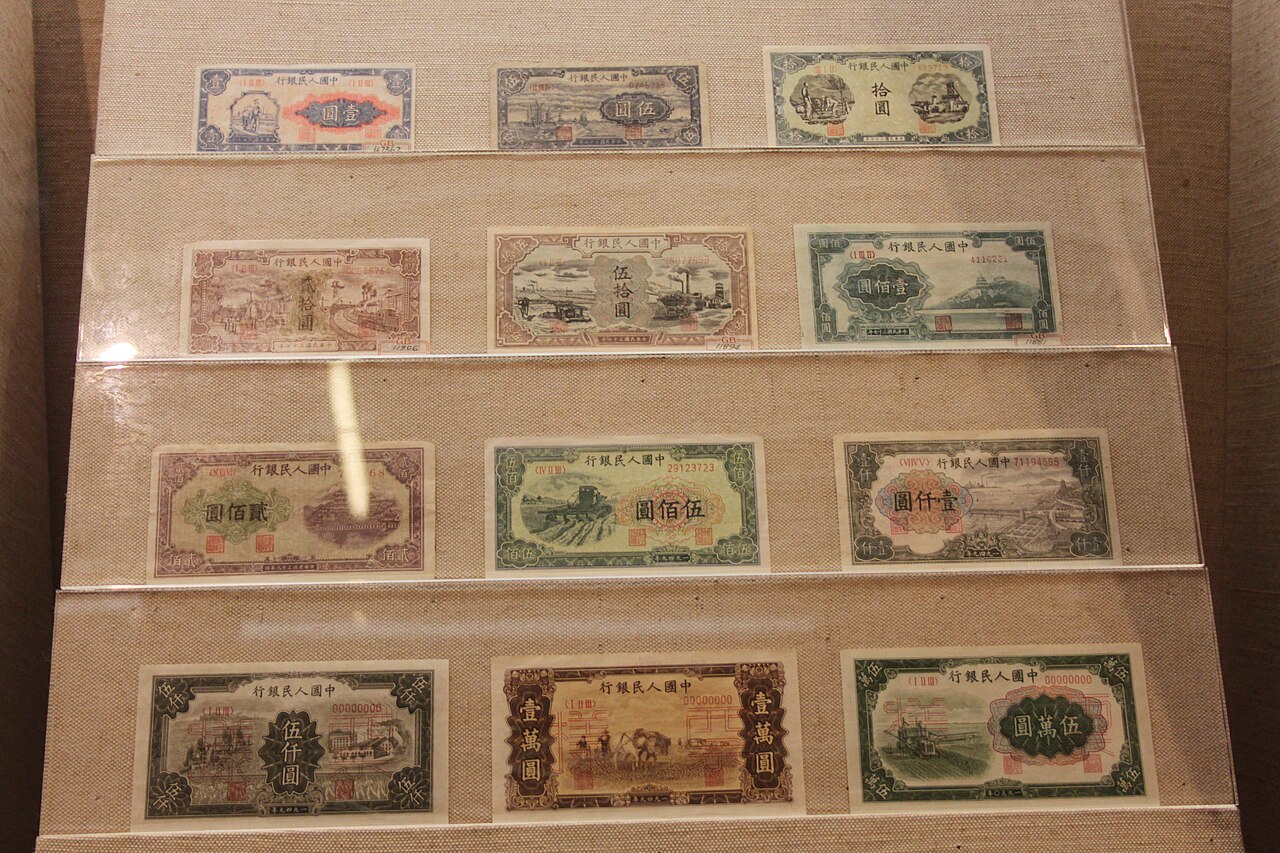
Paper money is a type of negotiable promissory note payable to the bearer on demand, serving as a form of currency. It includes government notes issued by political authorities and banknotes issued by banks, including central banks. Paper money is often, but not always, legal tender, and counterfeiting has driven the development of security printing methods.
- first_documented_use
- 11th century, Song dynasty, China (jiaozi)
Lore & Background
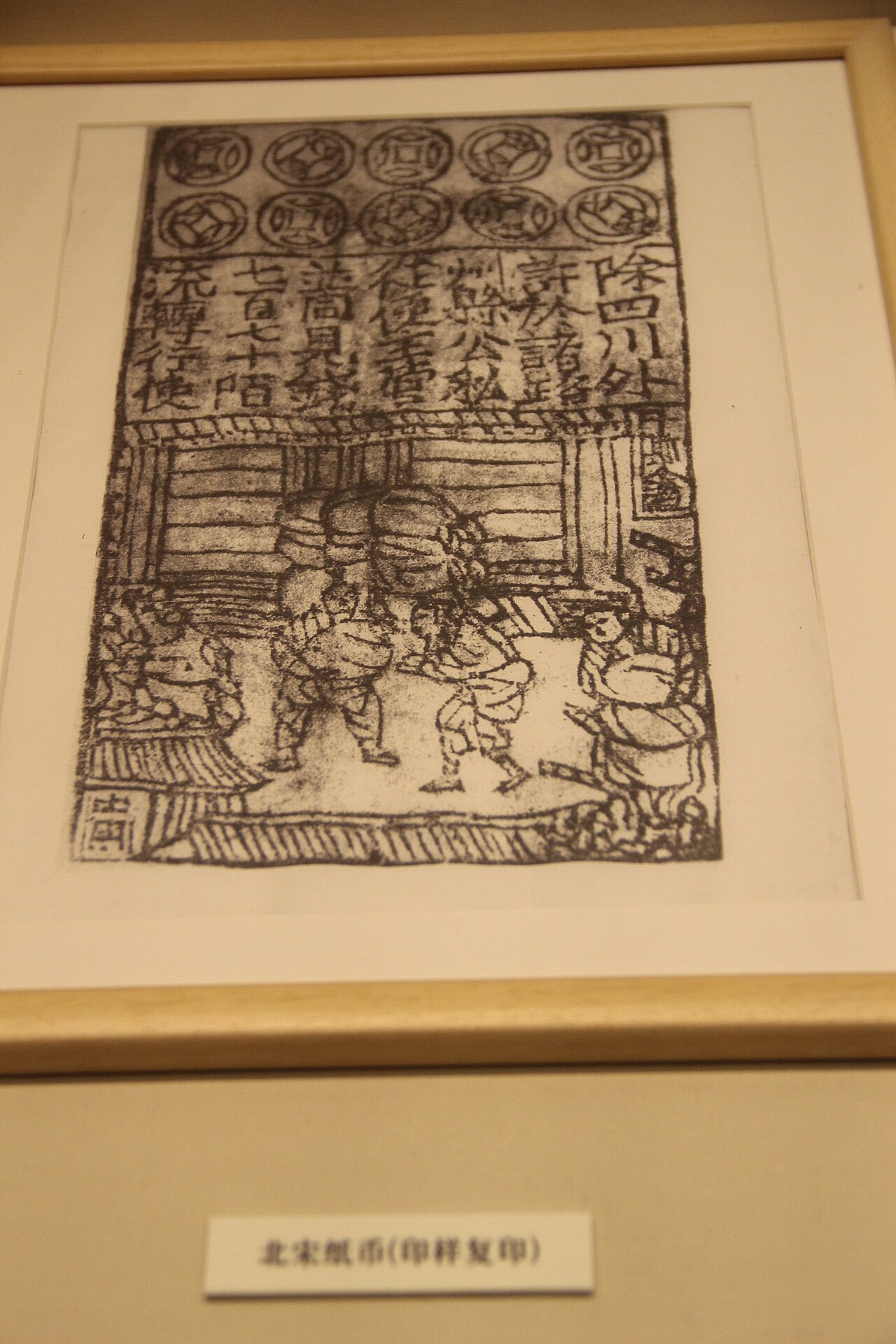
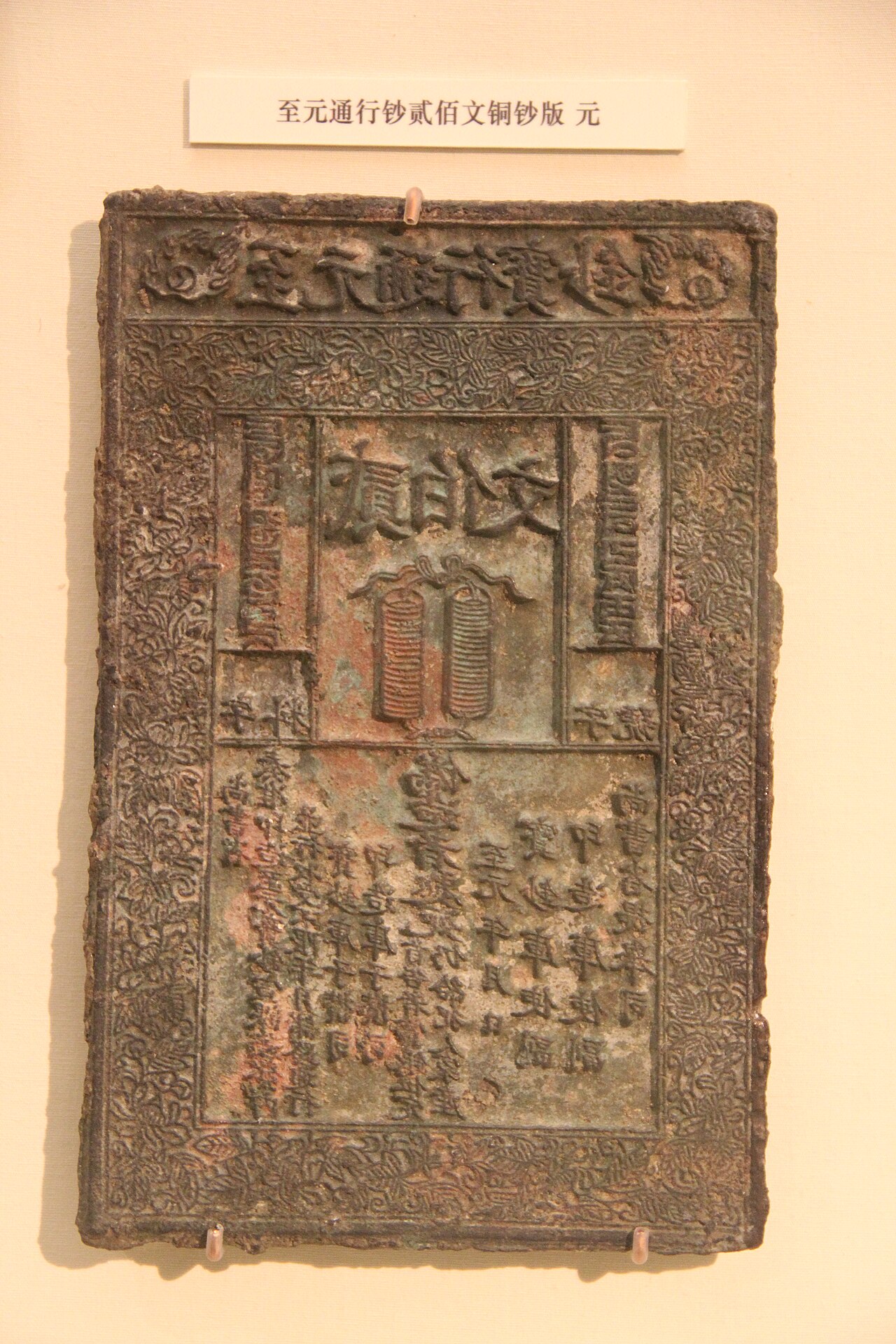
These promissory notes evolved into true paper money called 'jiaozi' by the 11th century. The Song government, short of copper, issued the first generally circulating notes, later establishing government-run factories for printing paper money. The Yuan dynasty under Kublai Khan issued paper money known as Jiaochao, which impressed Venetian merchants. The French Revolution saw mass issuance of government notes called assignats, whose value collapsed, leading Napoleon to establish the Bank of France to issue paper banknotes in the early 1800s. Earlier, the Knights Templar in the 12th century issued notes to pilgrims, and in medieval Italy and Flanders, money traders used promissory notes for long-distance trade.
Reader's Guide
Paper money revolutionized commerce by providing a lightweight, portable alternative to heavy coinage, enabling large-scale transactions and state finance. Its development in China from merchant receipts to government-issued currency set a precedent for global monetary systems. The Song dynasty's use of multiple ink colors and unique fibers to combat counterfeiting foreshadowed modern security printing. European adoption, from Templar notes to central banknotes, facilitated trade and economic growth, though episodes like the French assignats highlight risks of overissue. Paper money remains central to modern economies, with its evolution driven by the need for secure, trusted mediums of exchange.
Did You Know?
- The Song government printed notes in multiple colors and used unique fibers to combat counterfeiting, though the exact number of colors is not established.
- The French Revolution's assignats collapsed in value, leading Napoleon to establish the Bank of France.
Ancient Roots and the Chinese Innovation
Long before any European institution considered printing currency, merchants in seventh-century Tang dynasty China devised a practical solution to a very physical problem. Copper coins with square holes in their centers were strung on ropes for large transactions, but those strings became unwieldy and heavy to transport. The answer was simple: deposit your coins with a trusted intermediary and receive a paper slip recording the amount. Present the slip later and reclaim your metal. These merchant-issued receipts of deposit became known as flying money. By the eleventh century, the Song dynasty government recognized the economic advantages of this system and formalized it. Facing a shortage of copper for striking new coins, the state issued the first generally circulating paper notes called jiaozi. The government granted monopolies to deposit shops, and by the early twelfth century, annual issuance reached twenty-six million strings of cash. State-run printing factories in cities like Hangzhou, Chengdu, and Huizhou employed over a thousand workers daily. Yet these notes remained regionally restricted and valid for only three years, a far cry from the nationwide currency standards that would eventually emerge.
European Encounters and Revolutionary Turmoil
Europe's first documented attempt at banknote issuance came in 1661, when Stockholms Banco in Sweden began producing paper currency. That institution's legacy was eventually absorbed by Sveriges Riksbank, which continues as the nation's central bank. Yet the continent's relationship with paper money was anything but smooth. The French Revolution triggered a massive government printing of notes called assignats, whose value collapsed almost immediately, demonstrating the catastrophic risks of uncontrolled issuance. In response, Napoleon established the Bank of France in the early 1800s to issue more stable paper banknotes. Earlier precedents hint at an even longer story. Carthage is said to have produced government notes on parchment or leather before 146 BC, potentially making it the oldest known user of lightweight promissory instruments. In 57 AD, Rome may have employed a durable, lightweight substance for similar purposes, with examples later discovered in London. These scattered ancient examples show that the impulse to replace heavy metal with portable paper has recurred across civilizations and millennia, even if no single continuous tradition connected them.
Legal Architecture and Who Gets to Print
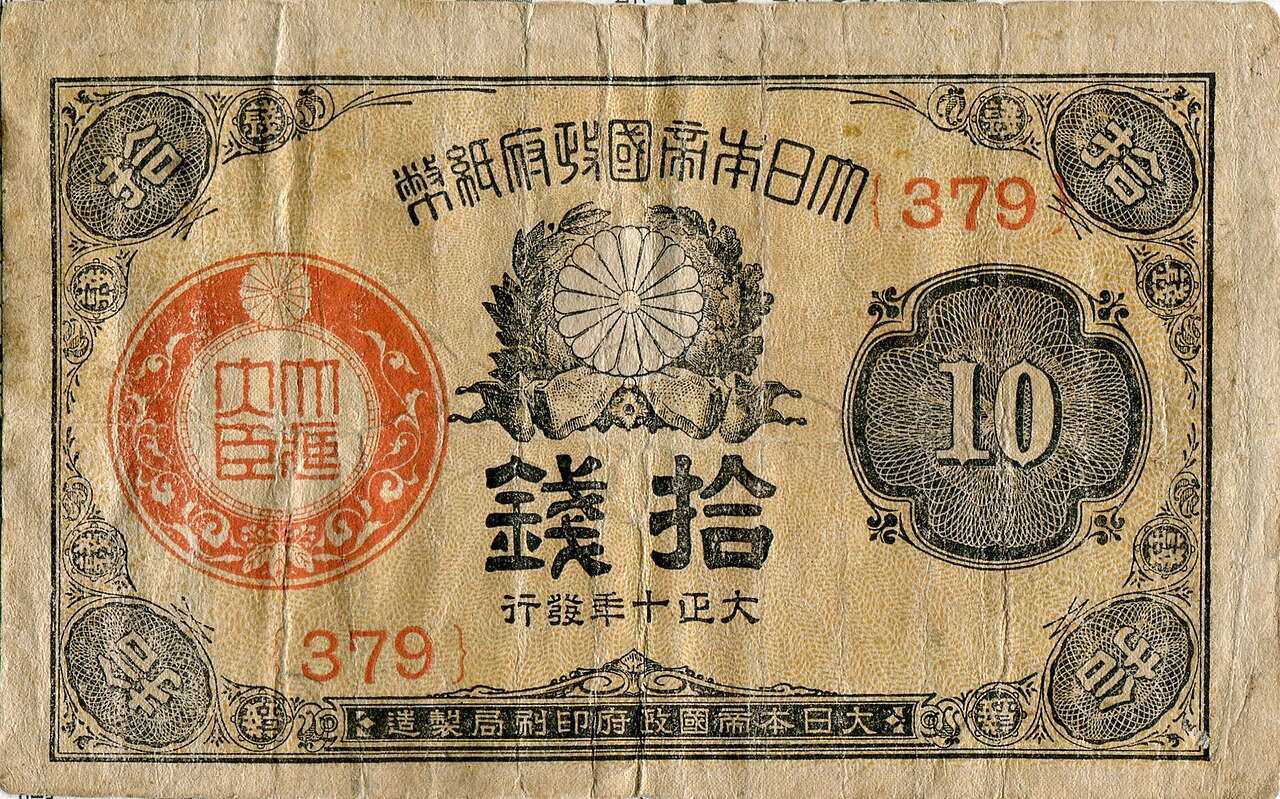
Paper money occupies a precise legal position: it is a negotiable promissory note payable to the bearer on demand, making it a recognized form of currency. In many jurisdictions it carries legal tender status, meaning courts must accept it as satisfactory settlement of monetary debts, though this is not universal. The issuing authority varies significantly. Government notes are produced directly by political authorities, while banknotes are issued by banks of issue, including central banks. In some historical contexts, neither governments nor banks held the monopoly: merchants in pre-modern China and Japan issued their own paper instruments. The legal infrastructure surrounding money is ancient. The Code of Hammurabi, dating to roughly 1755 to 1750 BC, already regulated banking relationships. Its provisions required depositors to present signed contracts of bailment to a notary before entrusting gold, silver, or other property to a banker. The code specified that bankers were liable for stolen deposits, that depositors could redeem the full value of their holdings, and that a notary's denial of a contract's existence discharged the banker of liability. These early rules established the contractual backbone that paper money would later depend upon.
The Eternal Battle Against Forgery
From the moment paper replaced metal as a medium of exchange, counterfeiting became an inherent and persistent threat. The very features that make paper money practical—its portability, its visual design, its reliance on trust rather than intrinsic material value—also make it vulnerable to forgery. Governments and banks have spent centuries developing anticounterfeiting measures embedded directly into the printing process itself. The fight against forged notes has been, in fact, a principal driver of security printing methods over the recent centuries. Each wave of improved forgeries demanded more sophisticated defensive techniques in paper composition, ink, watermarking, and printing methodology. This arms race between legitimate issuers and counterfeiters has shaped not only the physical appearance of currency but also the broader technology of secure document production. For banks of issue, the challenge extends beyond banknotes to the protection of cheques and other negotiable instruments. The result is that the visual and material complexity of modern paper money is less an aesthetic choice than the accumulated product of centuries of defensive innovation against those who would replicate it fraudulently.
Gallery


Frequently Asked Questions
What is Paper money in the context of economics and business?
Paper money is a negotiable promissory note that is payable to whoever holds it upon demand, functioning as a widely accepted form of currency. It covers both government-issued notes and banknotes produced by commercial or central banks.
When and where did Paper money first appear in history?
The earliest documented use of paper money dates to the 11th century in China, during the Song dynasty, where it was known as jiaozi. This marked the first time a society used printed paper notes as a substitute for metal coinage in everyday transactions.
What are the main categories of Paper money?
Paper money broadly falls into two groups: government notes issued by political authorities and banknotes issued by banks, including central banks. Both types circulate as negotiable instruments that the bearer can redeem on demand.
Is Paper money always considered legal tender?
While paper money frequently holds legal-tender status, this is not a universal rule for every note in circulation. Some banknotes or government-issued papers may circulate without carrying the full legal obligation to be accepted for debt settlement.
How has counterfeiting shaped Paper money design?
The persistent threat of forgery has been a primary driver behind the development of advanced security printing techniques. Features such as watermarks, microprinting, and special inks all trace their origins to the need to make counterfeiting increasingly difficult.
More in Economics And Business 1-17
Spotted an error? Know more?
This is a living reference — every entry is fact-audited, and reader corrections feed straight into our audit queue. Suggest an edit · See this site's audit record