
Pound sterling
World's oldest continuously used currency, fourth most traded globally.

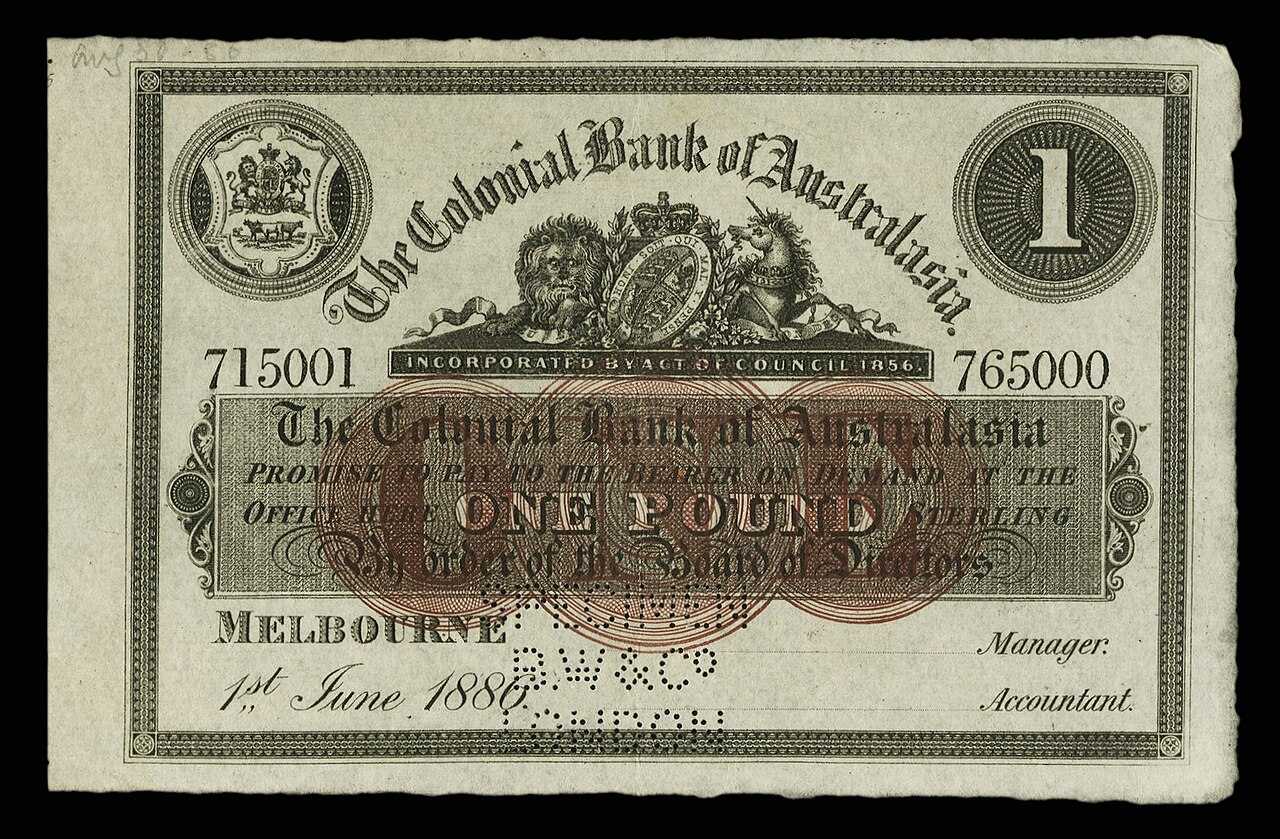
Colonial Bank of Australasia (note), Heritage Auctions (image) · Public domain
Sterling (symbol: £; code: GBP) is the currency of the United Kingdom and nine of its dependent territories, and formerly of the Kingdom of England.
- Currency code
- GBP
- Base unit
- Pound
- Central bank
- Bank of England
- First known term
- 12th century (librae sterilensium)
- Symbol
- £
- ISO 4217 code
- GBP
Lore & Background
The pound sterling emerged after the adoption of the Carolingian monetary system in England, but it did not become a distinct currency until the 12th century. The earliest known instances occur in Orderic Vitalis's 12th-century Historia Ecclesiastica, which mentions librae sterilensium. The origin of the word 'sterling' is unclear. It first appears in the 11th and 12th centuries, possibly describing the new, heavier Norman penny. Grierson suggests the first element is *stēre, meaning 'stout' or 'strong.' An old theory linking the name to Easterlings (Hanseatic merchants) is considered untenable. The Bank of England issues its own banknotes for England and Wales and sets conditions for backing of notes issued by private banks in Scotland and Northern Ireland; however, actual regulation of those banks' note issuance falls under other authorities (e.g., the FCA and PRA). Sterling banknotes issued by other jurisdictions are not regulated by the Bank of England; their governments guarantee convertibility at par.
Reader's Guide
Sterling's significance lies in its status as the world's oldest currency in continuous use, reflecting the economic and political continuity of the United Kingdom and its predecessors. It is one of five currencies that form the basket for IMF special drawing rights, alongside the US dollar, euro, Japanese yen, and renminbi. The currency's history illustrates the evolution of monetary systems from medieval silver pennies to modern decimal coinage. The term 'pound sterling' originally referred to a tower pound weight of sterling silver. The symbol £ derives from the Latin libra, and the pre-decimal system of pounds, shillings, and pence (Lsd) reflected Roman coinage (libra, solidus, denarius). The exchange rate of sterling against the US dollar is called 'cable,' a term originating from the mid-19th century when the rate was transmitted via transatlantic cable. Common slang for the pound includes 'quid' and 'nicker.' The currency of all Crown Dependencies and a third of British Overseas Territories is either sterling or pegged to it at par.
Did You Know?
- Sterling is the world's oldest currency in continuous use since its inception.
- The term 'cable' for the sterling/US dollar exchange rate originated from mid-19th century transatlantic cable transmissions.
- A common slang term for the pound is 'quid,' possibly derived from Latin quid via 'quid pro quo.'
- The symbol £ comes from the Latin libra, the Roman pound weight.
The Political Road to the Exchange Rate Mechanism
The United Kingdom initially turned down membership in the European Exchange Rate Mechanism when it was established in 1979, a decision that was controversial given Chancellor Geoffrey Howe's pro-European stance. The situation shifted under Nigel Lawson, who, while not a fixed-rate advocate, became fascinated by West Germany's low-inflation record and the strength of the Deutsche Mark. By the mid-1980s he had adopted what he called exchange-rate monetarism, treating the pound-to-mark rate as a reliable inflation gauge. At his direction, and with Margaret Thatcher's reluctant approval, the Treasury informally shadowed the mark from early 1987 through March 1988. Lawson's eventual resignation followed a bitter clash with Thatcher's adviser Alan Walters over the ERM's design. His successor, John Major, together with Foreign Secretary Douglas Hurd, persuaded the Cabinet to commit Britain to the mechanism in October 1990. On 8 October that year, the pound entered at DM 2.95 to the pound, locking the government into defending a band that allowed no more than six percent fluctuation against member currencies.
The Trigger and the Failed Defense
The immediate spark for the crisis came from an unexpected source. Bundesbank president Helmut Schlesinger gave an interview to The Wall Street Journal, later reported by the German paper Handelsblatt, in which he suggested that a more comprehensive realignment of European currencies was needed after the Italian lira's recent devaluation. Though Schlesinger believed he was speaking off the record and later insisted he was merely stating a fact, the remark sent shockwaves through foreign exchange markets. On the evening of Tuesday 15 September 1992, the headline was already circulating, and by Wednesday morning traders launched a massive coordinated sell-off of sterling. The ERM rules compelled the Bank of England to accept any offers to sell pounds, so it kept buying while traders kept selling. Prime Minister John Major authorized the expenditure of billions of Deutsche Marks from the Bank of England's foreign reserves to prop up the currency. The Treasury's strategy was to defend sterling's value in mark terms, reasoning that devaluation would fuel inflation. Yet these interventions proved insufficient, and the pound broke below its ERM floor, forcing the government to withdraw from the mechanism on 16 September 1992.
The Case Against the Pound
Well before Black Wednesday, a coalition of market participants and commentators had concluded that Britain's ERM entry rate was fundamentally mispriced. George Soros, among numerous other currency traders, had been accumulating a substantial short position in sterling over the preceding months, betting that the currency would fall below its lower band. His reasoning was straightforward: the UK had entered the mechanism at a rate he considered too high, domestic inflation ran at roughly triple the German rate, and elevated British interest rates were damaging asset prices. Sir Samuel Brittan, a prominent Financial Times columnist, echoed similar concerns, arguing that the DM 2.95 rate was too uncompetitive for British manufacturing and that the pound was overvalued. In 1992 he wrote that across Central Europe he heard sterling attacked before the schnapps. The broader macroeconomic context reinforced these views: in 1989 the UK's inflation was three times that of West Germany, interest rates stood at 15 percent, and labor productivity lagged well behind both France and Germany. High German rates, set by the Bundesbank to counter inflationary pressures from reunification spending, stressed the entire ERM, while the UK's twin deficits and the sharp summer depreciation of the US dollar, against which many British exports were priced, added further vulnerability.
Political Fallout and Economic Rebound
The crisis dealt a severe blow to the credibility of the second Major government on economic management. The ruling Conservative Party never fully recovered its political standing; it suffered a landslide defeat at the 1997 general election and did not return to government until 2010. Yet the economic consequences of the pound's forced depreciation proved, in retrospect, to be a catalyst for recovery. In the years following Black Wednesday, the UK economy rebounded, and this resurgence has been attributed to the weaker sterling making British goods more competitive on world markets, combined with the replacement of the rigid currency-tracking policy with an inflation-targeting framework for monetary stability. The episode thus stands as a paradox in British economic history: a political catastrophe that simultaneously freed the economy from a constraint that had been weighing on growth. The fact that the UK held the rotating presidency of the Council of the European Union at the time of the crisis only underscored the embarrassment of the moment.
Gallery

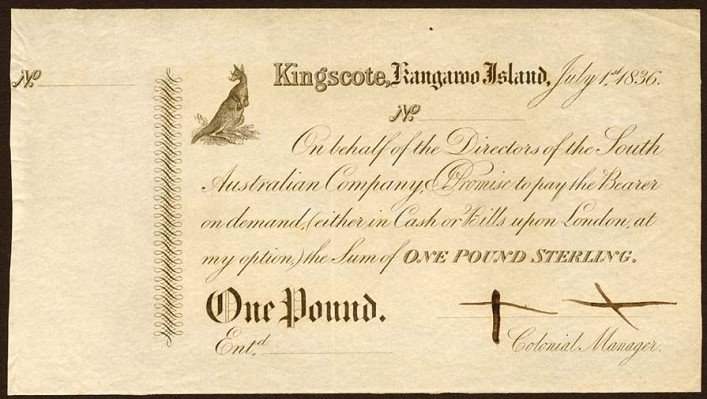


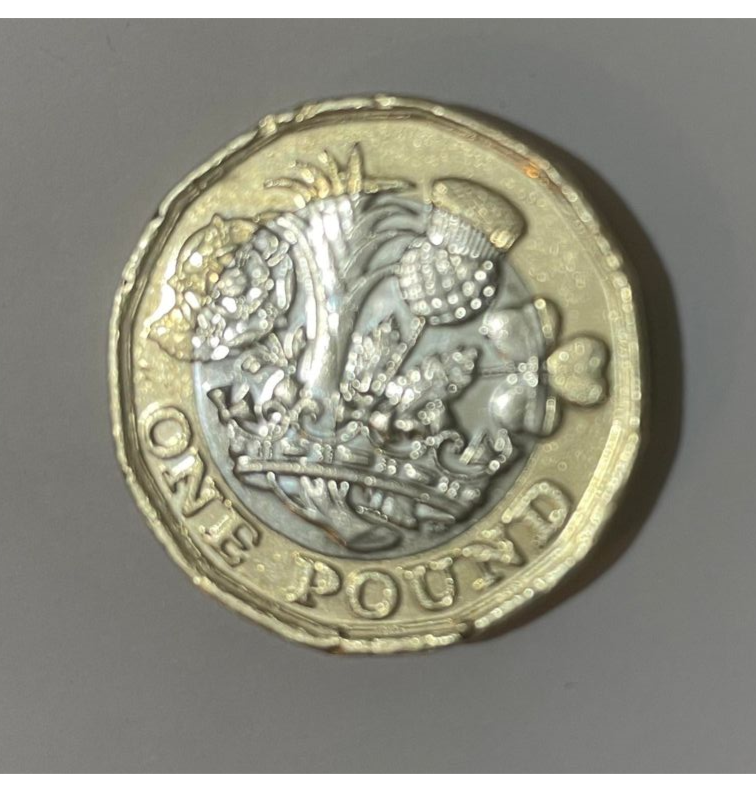
Frequently Asked Questions
What is the Pound sterling?
The Pound sterling (code GBP, symbol £) is the official currency of the United Kingdom and nine of its dependent territories. It has been in continuous use since the 12th century, making it the world's oldest currency still in circulation.
Why is the Pound sterling considered unique among world currencies?
It holds the distinction of being the oldest currency in unbroken, continuous use anywhere on Earth, with its name tracing back to the 12th-century phrase 'librae sterilensium.' No other currency can claim that same unbroken lineage.
Where is the Pound sterling used beyond the United Kingdom itself?
In addition to the UK, sterling serves as the official currency in nine dependent territories. It was also formerly the currency of the Kingdom of England before the political union that created modern Britain.
More in Economics And Business 1-17
Spotted an error? Know more?
This is a living reference — every entry is fact-audited, and reader corrections feed straight into our audit queue. Suggest an edit · See this site's audit record